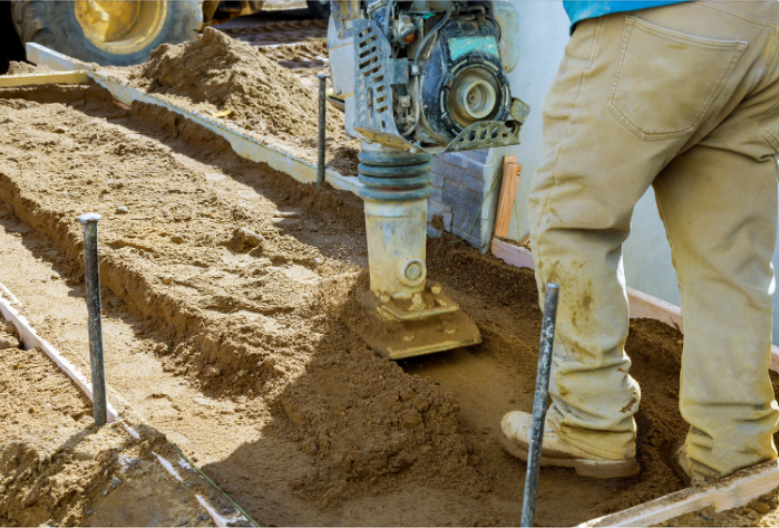
Rammers vs Plate Compactors: Choosing the Right Tool for Your Site

Rammers vs Plate Compactors

Why Choosing the Right Compaction Tool Matters

Selecting the correct compaction equipment is critical for achieving a stable foundation and preventing future structural problems. While both rammers and plate compactors are used to densify soil and base materials, each tool is designed for specific conditions and applications.

Using the wrong compaction machine can result in poor density, uneven settlement, and costly rework. Understanding the differences helps contractors improve efficiency and long term performance.

What Are Rammers and Plate Compactors

Rammers and plate compactors are mechanical tools designed to remove air from soil and granular materials through impact or vibration.

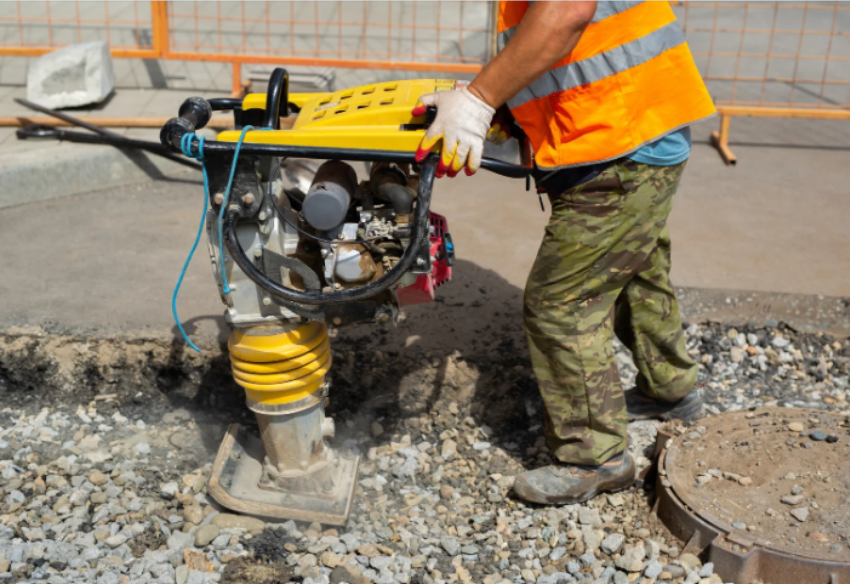
  • Rammers deliver high impact force through a narrow base.
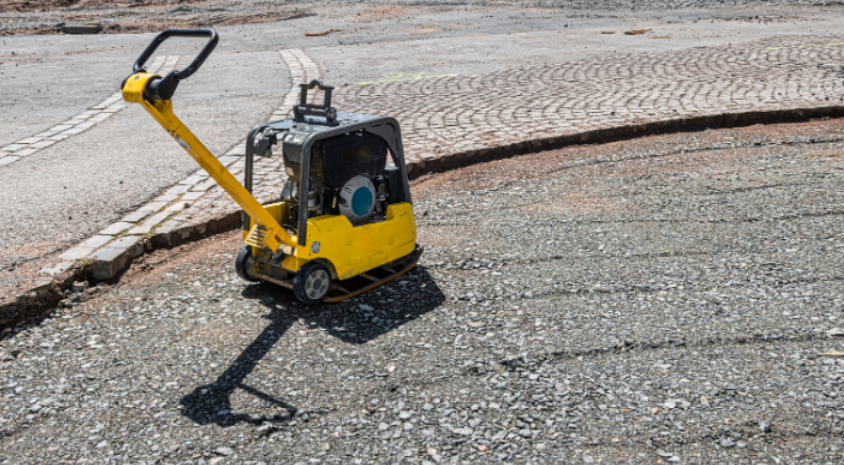
  • Plate compactors use vibration across a flat steel plate to compact material evenly.

Each type serves a distinct purpose depending on soil type, space limitations, and project size.

When to Use Rammers

Rammers are best suited for confined areas and cohesive soils that require strong impact force.

Common rammer applications include:

  • Trench compaction for pipes and utilities
  • Clay and cohesive soil compaction
  • Foundations in narrow spaces
  • Backfilling around columns and footings

Rammers work vertically, making them ideal for areas where plate compactors cannot reach effectively.

When to Use Plate Compactors

Plate compactors are designed for surface compaction across wider areas and are most effective on granular soils.

Typical plate compactor applications include:

  • Gravel and sand compaction
  • Paving and interlocking bricks
  • Asphalt repairs and patching
  • Base layers for slabs and walkways

Plate compactors provide uniform vibration and faster coverage on open surfaces.

Key Differences Between Rammers and Plate Compactors

Compaction Method

  • Rammers use vertical impact force
  • Plate compactors use horizontal vibration

Soil Type

  • Rammers perform better in cohesive soils
  • Plate compactors are best for granular materials

Working Area

  • Rammers excel in tight or narrow spaces
  • Plate compactors are ideal for open areas

Depth of Compaction

  • Rammers achieve deeper compaction in confined zones
  • Plate compactors provide even surface density

Benefits of Choosing the Correct Compaction Equipment

Improved Ground Stability

Correct equipment ensures uniform density and load support.

Reduced Risk of Settlement

Proper compaction prevents future ground movement.

Faster Project Completion

Using the right tool reduces time spent reworking areas.

Lower Maintenance and Repair Costs

Well compacted bases lead to longer lasting structures.

Best Practices for Compaction Success

  • Match the tool to the soil type before starting
  • Compact in layers rather than deep single passes
  • Maintain correct moisture levels for best results
  • Use rammers in trenches and plate compactors on open areas
  • Perform multiple passes to achieve required density

Why Choose All States Africa for Compaction Equipment

All States Africa supplies reliable Masterpac rammers and plate compactors designed for demanding construction environments. Our equipment delivers consistent performance and durability across a wide range of site conditions.

We offer:

  • Heavy duty rammers for trench and cohesive soil compaction
  • Plate compactors for paving, asphalt, and surface work
  • Machines built for long term reliability
  • Professional support to help select the right equipment

“Choose the right tool. Compact with confidence.”
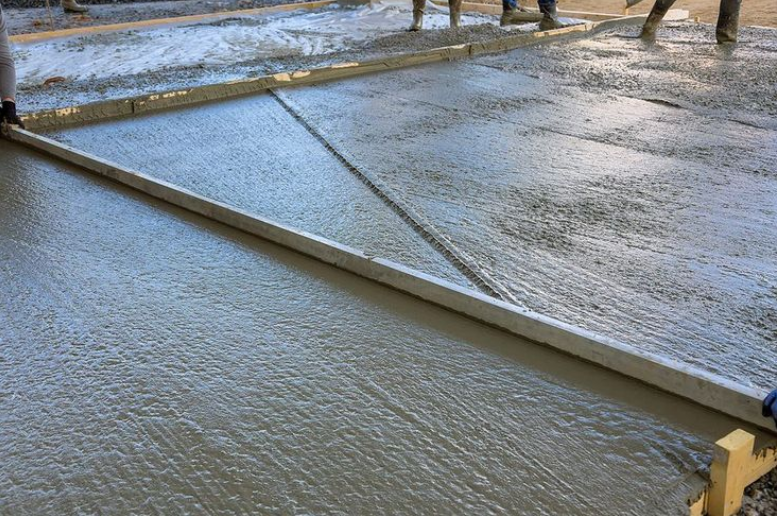
Why Proper Concrete Compaction Is Critical for Long-Term Structural Strength

Proper Concrete Compaction

Why Concrete Compaction Matters

Concrete compaction is one of the most important steps in construction, yet it is often underestimated or rushed. Without proper compaction, concrete and underlying soil can contain air voids and weak spots that compromise the integrity of the structure. Over time, this leads to cracking, settlement, water ingress, and costly repairs.

Proper concrete and soil compaction ensures a dense, stable base that can support loads, resist movement, and maintain structural performance for years to come. For contractors working in South Africa’s varied ground conditions, compaction is essential for long-term success.

What Is Concrete and Soil Compaction

Concrete and soil compaction is the process of increasing material density by removing trapped air and reducing voids. This is achieved using specialised compaction equipment that applies vibration or impact force to the material.

Professional compaction equipment includes:

  • Plate compactors for granular soils and paving
  • Rammers for cohesive soils and trench work
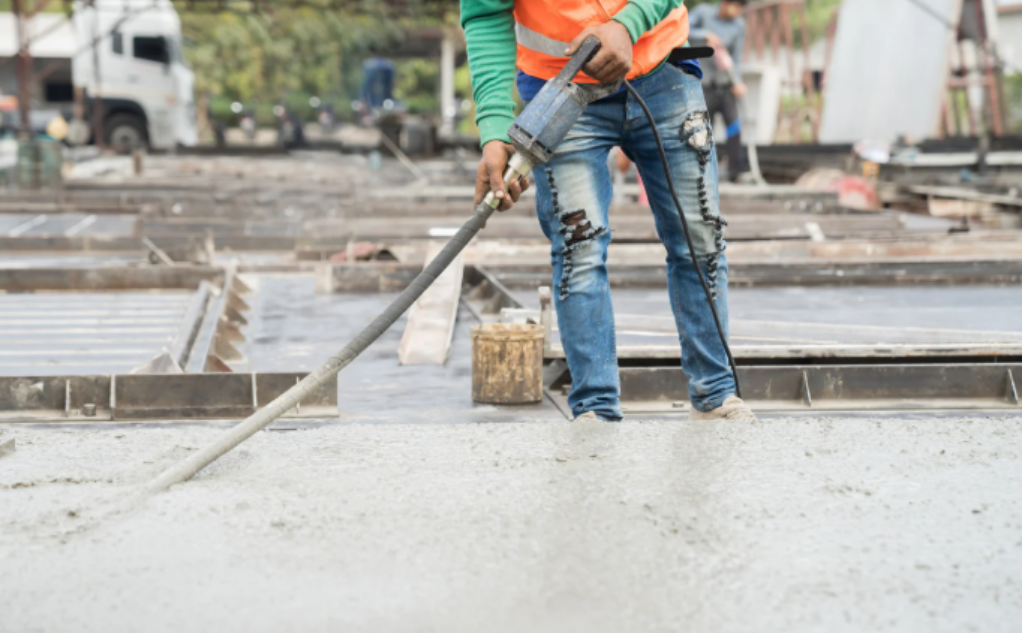
  • Concrete vibrators for freshly poured slabs and structures
  • Rollers for large-scale civil and road projects

Each tool plays a specific role in ensuring the foundation and concrete structure achieve maximum strength and durability.

Common Applications Where Compaction Is Essential

  • Foundations: Prevents settlement and uneven load distribution
  • Concrete slabs: Ensures uniform density and crack resistance
  • Trenches: Stabilises soil around pipes and services
  • Roadworks: Provides a solid base for asphalt and concrete
  • Paving projects: Prevents sinking and surface movement
  • Industrial flooring: Supports heavy machinery and traffic loads

Consequences of Poor Compaction

Reduced Load-Bearing Capacity

Air pockets weaken the structure and reduce its ability to carry weight.

Cracking and Settlement

Poorly compacted ground shifts over time, leading to structural damage.

Water Penetration

Voids allow moisture to enter, accelerating deterioration.

Shortened Structural Lifespan

Improper compaction results in premature repairs and higher maintenance costs.

Failed Inspections and Rework

Compaction issues often lead to non-compliance with engineering specifications.

Benefits of Proper Concrete Compaction

Improved Structural Strength

Dense concrete and soil provide better compressive strength and stability.

Increased Durability

Well-compacted structures resist wear, movement, and environmental stress.

Better Surface Finish

Proper compaction reduces voids, honeycombing, and surface defects.

Lower Long-Term Costs

Reduced cracking and settlement mean fewer repairs over the building’s life.

Compliance with Engineering Standards

Proper compaction helps meet structural and safety requirements.

Best Practices for Effective Compaction

  • Choose the right equipment for soil type and application
  • Compact in layers rather than trying to compact deep fills at once
  • Maintain correct moisture levels for optimal soil density
  • Use vibrators immediately after concrete placement
  • Avoid over-compaction, which can cause segregation or surface issues

Why Choose All States Africa for Compaction Equipment

At All States Africa, we supply professional-grade compaction equipment designed for tough construction environments. Our range supports every stage of the compaction process,from soil preparation to final concrete placement.

We provide:

  • Masterpac rammers and plate compactors
  • Concrete vibrators for dense, uniform slabs
  • Durable equipment built for African site conditions
  • Reliable tools that deliver consistent compaction results

“Strong structures start with solid compaction.”

Professional Concrete Curing Equipment for Strong and Durable Concrete Structures

Professional Concrete Curing Equipment

Why Concrete Curing Matters

Concrete curing is one of the most important, but often overlooked, stages in achieving strong, long-lasting concrete. If concrete loses moisture too quickly, it can crack, weaken, or fail prematurely. Proper curing ensures the slab retains enough moisture to fully hydrate, leading to optimal strength, durability, and crack resistance.

Curing equipment allows contractors to apply curing compounds evenly and efficiently, ensuring consistent moisture retention across large concrete pours. For slabs, industrial floors, and high-spec structures across South Africa, curing equipment is essential for quality concrete performance.

What Is Concrete Curing Equipment

Concrete curing equipment includes specialised tools designed to apply curing compounds, hardeners, or water-based sealers onto freshly placed concrete. These tools ensure even coverage, proper moisture retention, and controlled curing conditions.

Professional curing tools may include:

  • Curing compound sprayers
  • Walk-behind curing machines
  • Ride-on curing applicators
  • Spray systems for hardeners and sealers

These machines help contractors meet industry curing standards while improving efficiency on large job sites.

Common Applications for Concrete Curing Equipment

  • Large commercial slabs – Warehouses, factories, and retail floors
  • Industrial flooring – High-strength floors requiring controlled curing
  • Roads & pavements – Prevent cracking and moisture loss
  • Bridges & civil structures – Ensure durability in demanding environments
  • Parking decks & suspended slabs – Improve long-term performance
  • High-performance concrete projects – Polished concrete, fibre-reinforced slabs, and heavy-duty flooring

Benefits of Using Concrete Curing Equipment

Proper Moisture Retention

Well-applied curing compounds slow down moisture loss, allowing concrete to hydrate fully.

Reduced Cracking

Controlled curing prevents random cracking caused by premature drying.

Higher Strength & Durability

Correct curing increases compressive strength and surface hardness.

Improved Surface Finish

Reduced dusting, smoother surfaces, and uniform color across large slabs.

Faster & More Efficient Application

Machines cover large areas quickly, reducing labor time and ensuring consistent coverage.

Best Practices for Effective Concrete Curing

  • Apply curing compound immediately after final finishing to prevent rapid moisture evaporation.
  • Ensure uniform coverage, missed spots can lead to weak or discolored areas.
  • Choose the right curing method based on project requirements (compound, water-based, membrane).
  • Protect the slab from wind and heat, especially in hot South African climates.
  • Select curing compounds recommended for polished concrete if floor will be mechanically refined later.

Why Choose All States Africa for Concrete Curing Equipment

At All States Africa, we provide curing equipment designed to meet the rigorous demands of African construction environments. Whether you’re pouring a warehouse floor or a large civil slab, our curing systems ensure consistent, reliable results.

We offer:

  • Betonelli curing machines for even compound application
  • Spray systems for hardeners and sealers
  • Durable equipment built for heavy-duty use
  • Tools designed to reduce cracking and improve slab performance

Our curing solutions help contractors deliver stronger, more durable concrete, every time.

“Cure correctly. Build quality that lasts.”

Ride-On Power Trowels: Efficient Finishing for Large Concrete Floors

Ride-On Power Trowels

Why Ride-On Power Trowels Matter

When working on large concrete slabs, such as warehouse floors, industrial facilities, or commercial buildings, finishing by hand or with walk-behind trowels is often inefficient, labor-intensive, and time-consuming.

Ride-on power trowels allow operators to finish large areas faster, produce a more consistent surface, and reduce fatigue, making them essential for large-scale flooring projects across South Africa.

What Are Ride-On Power Trowels

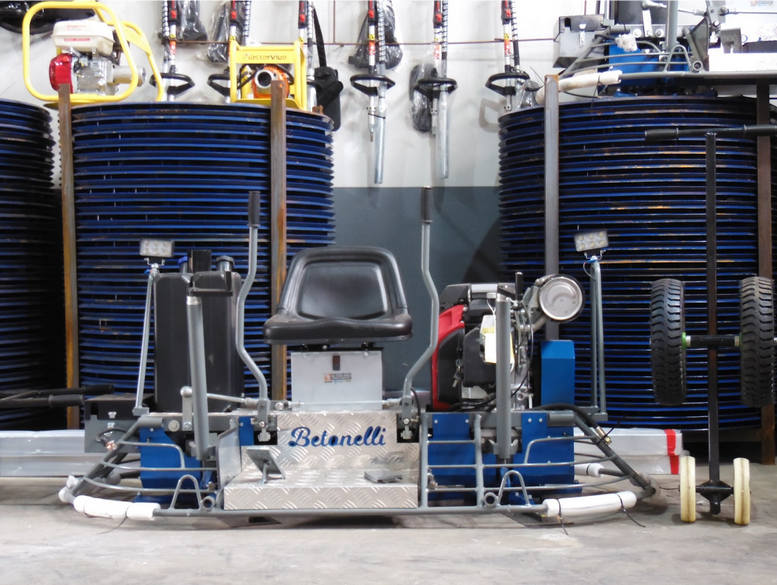
A ride-on power trowel is a heavy-duty machine with a rotating pan and finishing blades, designed to smooth and densify freshly poured concrete surfaces. The operator sits on the machine and controls the blade speed, angle, and movement, allowing efficient finishing over wide slabs.

Key features typically include:

  • Wide rotor diameter for broad surface coverage
  • Adjustable blade angle for different finishing stages
  • Durable build suitable for construction environments
  • Operator seat and controls for comfort during long use

Ride-on trowels are ideal for large pours, industrial flooring, warehouses, and any job requiring fast, uniform finishing.

Common Applications for Ride-On Power Trowels

  • Large commercial and industrial slabs
  • Warehouses and factory floors
  • Airport hangars and hangar floors
  • Shopping centers and retail floor slabs
  • Concrete slabs for logistics hubs and distribution centers
  • Large residential or mixed-use developments with expansive floor areas

Benefits of Using Ride-On Power Trowels

  1. Speed and Efficiency
    Cover large areas much faster than walk-behind or hand finishing.
  2. Consistent Surface Finish
    Achieves uniform density and smoothness across the entire slab.
  3. Operator Comfort & Reduced Fatigue
    Riding the machine reduces physical strain and speeds up finishing tasks.
  4. High Productivity for Large Projects
    Ideal for big pours  reduces labor hours and project time.
  5. Better Floor Quality
    Produces a dense, level slab ready for heavy-duty use or finishing treatments.

Best Practices When Using Ride-On Power Trowels

  • Start with proper slab set-up: Ensure concrete is at correct slump and ready for finishing.
  • Use correct blade angle adjustments: Begin with flatter angles for rough trowel and tilt blades for final finish.
  • Overlap passes: Ensure even smoothing and avoid unworked patches.
  • Monitor concrete condition: Finish before surface dries or skins over.
  • Routine maintenance: Keep blades, rotor, and drive train in good condition for consistent performance.

Why Choose All States Africa for Ride-On Power Trowels

All States Africa supplies heavy-duty ride-on power trowels engineered for robust performance in South African construction conditions. Our machines are built to deliver:

  • Broad rotor coverage for large slabs
  • Adjustable blade control for multiple finishing stages
  • Durable construction for frequent site use
  • Reliable performance to help contractors meet tight deadlines

Whether you’re building warehouses, industrial floors, or large-scale commercial slabs, our ride-on power trowels help you finish fast and finish strong.

“Finish wide. Finish fast. Finish right.”

How to Choose the Right Concrete Vibrator for Your Construction Project

Choose the Right Concrete Vibrator

Why Choosing the Right Vibrator Matters

Concrete pours vary in size, depth, reinforcement density, and mix stiffness. Using the wrong vibrator can lead to poor compaction, cracking, weak bonding, or honeycombing.

Selecting the correct concrete vibrator ensures proper density, structural strength, and a smooth, durable finish across all concrete applications.

What Is a Concrete Vibrator?

A concrete vibrator is a compaction tool that removes air pockets from fresh concrete through rapid vibration. Choosing the right combination of vibration frequency, poker head diameter, and shaft length is essential for correct consolidation.

Quality vibrators include:

  • High-frequency motors
  • Reinforced flexible shafts
  • Durable poker heads
  • Stable, ergonomic operation

Types of Concrete Vibrators

Internal (Poker) Vibrators

Inserted directly into the concrete.
Best for: slabs, beams, walls, foundations, footings.

External Vibrators

Mounted on formwork.
Best for: precast moulds and thin walls.

Surface Vibrators

Used to vibrate the top layer of slabs.
Best for: shallow pours and finishing operations.

Key Things to Consider When Choosing a Concrete Vibrator

1. Poker Head Diameter

Different diameters suit different reinforcement layouts:

  • 25-35mm: Tight reinforcement, columns
  • 35-50mm: General slabs and walls
  • 50-65mm: Large pours and foundations

2. Shaft Length

Choose based on pour depth and access requirements.

3. Vibration Frequency & Power

Higher frequencies deliver faster compaction and better performance in stiff mixes.

4. Application Type

Match the vibrator to your project:

  • Residential slabs – medium heads
  • Industrial floors – larger heads
  • Precast – external vibrators
  • Thin or heavily reinforced structures – small heads

5. Durability & Build Quality

Look for:

  • Heat-resistant shafts
  • Heavy-duty casings
  • Reinforced heads
  • Reliable couplings

Benefits of Choosing the Right Concrete Vibrator

Better Compaction Results

Ensures full consolidation without weak areas.

Reduced Honeycombing

Smaller poker heads reach tight spaces in reinforcement.

More Efficient Workflow

Correct sizing speeds up the compaction process.

Stronger, Longer-Lasting Concrete

Correct vibration increases overall durability and performance.

Best Practices for Selecting Vibration Equipment

  • Assess pour depth and reinforcement before choosing a poker size
  • Select shaft lengths suited to the pour layout
  • Match vibrator power to concrete stiffness
  • Keep spare heads for large continuous pours
  • Choose reputable, durable brands with local support

Why Choose All States Africa for Concrete Vibrators

All States Africa provides a full selection of Masterpac concrete vibrators suitable for any construction environment. Our team helps contractors choose the most effective model based on project scope, reinforcement density, and concrete volume.

We supply:

  • Multiple head sizes
  • Various shaft lengths
  • High-frequency vibration units
  • Equipment built for continuous and heavy use

“Choose right. Vibrate right. Build right.”

The Importance of Concrete Vibrators for Stronger, More Durable Concrete

Importance of Concrete Vibrators

Why Concrete Vibration Matters

Concrete may appear solid once poured, but trapped air pockets can significantly weaken the structure. Without proper vibration, concrete becomes porous, less durable, and prone to cracking or honeycombing.

Concrete vibrators remove these voids, ensuring that concrete becomes dense, stable, and long-lasting. They are essential for delivering the level of structural strength required in foundations, slabs, columns, walls, and reinforced beams across South Africa.

What Are Concrete Vibrators?

Concrete vibrators are specialised tools designed to compact freshly poured concrete using rapid, controlled vibration. This vibration allows concrete particles to settle more closely together while pushing air to the surface.

Professional concrete vibrators feature:

  • High-frequency motors for consistent vibration
  • Flexible shafts in various lengths for deeper penetration
  • Poker heads in multiple diameters for different structural needs
  • Rugged design for demanding construction environments

These machines ensure every area of the concrete pour is properly compacted.

Common Applications for Concrete Vibrators

  • Foundations: Removes air voids for improved load capacity
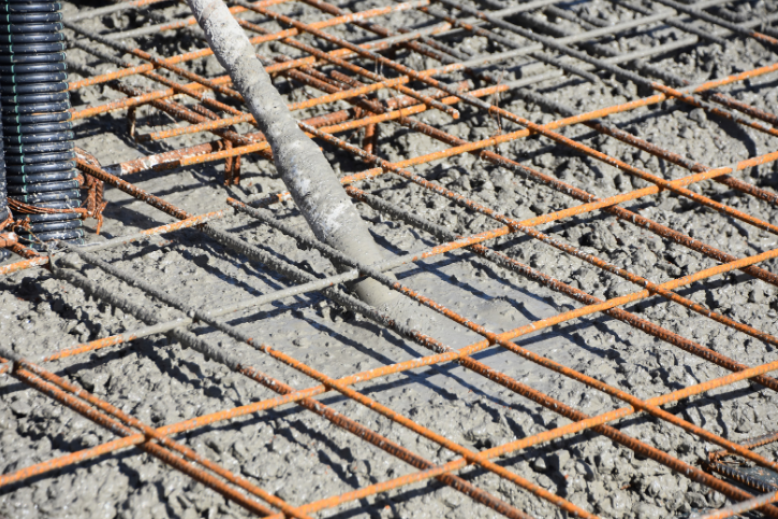
  • Columns & Walls: Ensures concrete flows around rebar
  • Slabs: Provides even density and prevents weak spots
  • Beams: Maximises bonding strength with reinforcement
  • Precast Concrete: Ensures smooth, uniform finishes
  • Footings & Trenches: Prevents settling and cracking

Benefits of Using Concrete Vibrators

Increased Structural Strength

Dense concrete has higher compressive strength and is more resistant to long-term stress.

Better Surface Quality

Proper vibration eliminates honeycombing and produces smooth, even surfaces.

Enhanced Reinforcement Bonding

Concrete fully envelops rebar, improving structural integrity.

Reduced Cracking and Shrinkage

Uniform density ensures controlled curing and fewer random cracks.

Greater Durability

Compacted concrete is more resistant to weathering, moisture, and impact damage.

Best Practices for Effective Concrete Vibration

  • Insert vertically for efficient air displacement
  • Vibrate in overlapping zones to avoid weak pockets
  • Avoid over-vibrating which can cause segregation
  • Use correct head size based on reinforcement spacing and slab thickness
  • Apply vibration immediately after pouring for optimal consolidation

Why Choose All States Africa for Concrete Vibration Equipment

All States Africa supplies Masterpac concrete vibrators engineered for high-frequency, heavy-duty performance. Our machines are built to withstand tough construction environments while delivering superior concrete density.

We offer:

  • Multiple shaft lengths and poker diameters
  • Robust and reliable Masterpac vibrator models
  • Equipment designed for continuous compaction performance

“Compact correctly. Build stronger.

Masterpac Plate Compactors: Efficiency and Strength for Every Job Site

Masterpac Plate Compactors

Why Plate Compactors Matter in Construction

Achieving proper compaction is essential for long-lasting foundations, roads, and paving works. Without it, structures are prone to settling, cracking, and early failure. Plate compactors provide the vibration and force needed to stabilize soil, gravel, asphalt, and paving blocks quickly and effectively.

In South Africa’s tough construction environments, Masterpac plate compactors deliver reliable performance, ensuring strong, durable surfaces for both small contractors and large civil engineering projects.

What Are Masterpac Plate Compactors

Masterpac plate compactors are vibration-driven compaction machines designed to apply consistent force across soil and surface materials. They are built for productivity, operator comfort, and longevity, featuring:

  • Heavy-duty steel bases for maximum compaction power
  • Powerful four-stroke engines for fuel efficiency and reliability
  • Low-vibration handles for operator comfort
  • Durable construction to withstand frequent site use

Common Applications of Plate Compactors

  • Soil Compaction: Prepares the ground for foundations and slab pouring
  • Roadworks & Asphalt: Compacting hot and cold asphalt layers
  • Paving Jobs: Perfect for interlocking pavers, driveways, and walkways
  • Trench Work: Ideal for compacting soil around utilities and backfills
  • General Landscaping: Stabilises gravel and soil for paths and gardens

Benefits of Using Masterpac Plate Compactors

  1. High Compaction Performance
    Delivers consistent, even compaction for better load-bearing capacity.
  2. Versatility
    Suitable for soil, asphalt, gravel, and paving stone applications.
  3. Operator Comfort
    Low vibration handles reduce fatigue during long shifts.
  4. Durability & Longevity
    Built from robust materials to handle South Africa’s toughest site conditions.
  5. Efficiency on Every Job
    Compact large areas faster than manual methods or smaller tools.

Best Practices for Effective Plate Compaction

  • Choose the Right Plate Size: Smaller plates for trenches and tight spaces, larger plates for roads and open areas.
  • Work in Overlapping Passes: Ensures even compaction without weak spots.
  • Check Material Moisture: Slightly damp soil compacts more effectively than dry or oversaturated soil.
  • Routine Maintenance: Regularly inspect belts, handles, and bases for wear.
  • Safety First: Use ear protection and operate on stable footing at all times.

Why Choose All States Africa for Plate Compactors

At All States Africa, we supply Masterpac plate compactors designed for superior performance and operator comfort. Our machines are built to:

  • Deliver consistent compaction results across multiple applications
  • Withstand continuous use with minimal maintenance
  • Improve jobsite productivity with ergonomic, easy-to-handle designs

Whether you’re a contractor, rental company, or civil engineer, Masterpac plate compactors offer reliable solutions that save time and reduce rework.

“Compact faster. Build stronger.”

Essential Construction Safety Equipment for Worker Protection

Essential Construction Safety Equipment

Why Safety Equipment Matters

Construction sites are some of the most high-risk environments, with workers exposed to hazards such as falling objects, heavy machinery, dust, and noise. Without proper construction safety equipment, both productivity and worker wellbeing are at risk.

In South Africa, where large-scale projects demand strict compliance with safety standards, investing in high-quality PPE (Personal Protective Equipment) is not just about compliance,it’s about protecting lives.

What Is Construction Safety Equipment

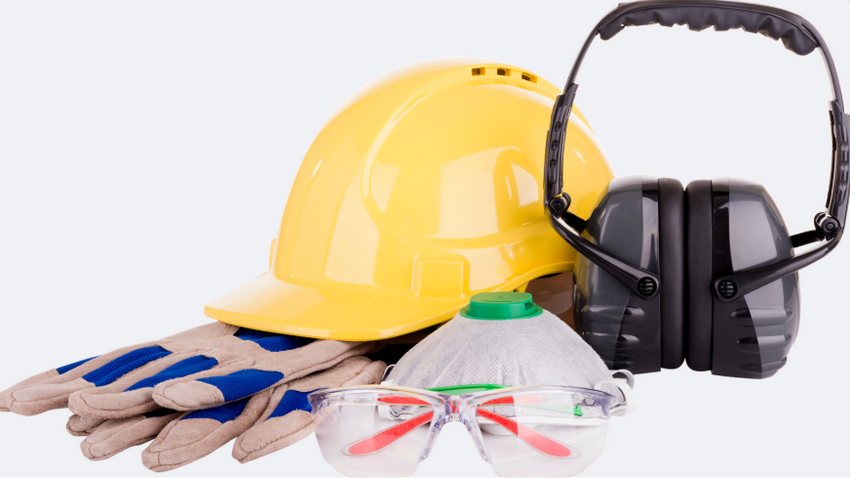
Construction safety equipment includes all the protective gear and tools designed to safeguard workers from injury or illness on site. These essentials are typically classified as PPE and cover areas such as:

  • Head Protection – Helmets and hard hats
  • Eye & Face Protection – Safety glasses, goggles, and face shields
  • Hearing Protection – Ear plugs and earmuffs
  • Respiratory Protection – Masks and respirators
  • Hand & Foot Protection – Gloves and safety boots
  • High-Visibility Gear – Reflective vests and jackets

Common Types of Safety Equipment and Their Uses

Helmets & Hard Hats

Protect against falling objects, electrical exposure, and head injuries.

Safety Boots

Steel-toe boots protect from crushing hazards, punctures, and slippery surfaces.

High-Visibility Clothing

Reflective vests and jackets ensure visibility around vehicles and heavy equipment.

Gloves

Provide grip, cut resistance, and protection from chemicals or extreme temperatures.

Respirators & Masks

Essential for dusty environments and when working with concrete, chemicals, or paint.

Hearing Protection

Ear plugs or earmuffs reduce exposure to harmful noise levels from power tools and heavy machinery.

Benefits of Using Proper Safety Equipment

  1. Reduced Workplace Accidents
    Proper PPE significantly decreases injuries and downtime.
  2. Compliance with Regulations
    Meeting South African construction safety standards avoids legal and financial penalties.
  3. Increased Worker Confidence
    When workers feel protected, they work more efficiently and effectively.
  4. Long-Term Cost Savings
    Preventing accidents reduces compensation claims and project delays.

Best Practices for Implementing Safety Equipment

  • Regular Training: Ensure workers understand correct PPE usage.
  • Routine Inspections: Replace worn or damaged safety gear promptly.
  • Standardisation: Use consistent brands and models across teams for reliability.
  • Accessibility: Make safety equipment readily available at all worksites.
  • Culture of Safety: Encourage workers to prioritise safety at every stage of a project.

Why Choose All States Africa for Construction Safety Equipment

At All States Africa, we provide reliable PPE and safety equipment tailored to the needs of South African construction environments. Our selection includes:

  • Hard hats and helmets
  • Safety boots and gloves
  • High-visibility gear
  • Respiratory masks and protective eyewear

We partner with trusted brands to deliver equipment that is durable, compliant, and designed for everyday use on demanding job sites.

“Protect your team today. Build with safety tomorrow.”

Masterpac Four-Stroke Rammers: Power and Comfort for Superior Soil Compaction

Masterpac Four-Stroke Rammers

Why Rammers Matter in Construction

Soil compaction is a critical step in preparing stable foundations for concrete slabs, pavements, trenches, and roadworks. Without proper compaction, structures risk settlement, cracking, and long-term failure.

Masterpac rammers are designed to deliver powerful impact force while minimizing operator fatigue,making them the go-to choice for professionals across South Africa.

What Are Masterpac Four-Stroke Rammers

Masterpac four-stroke rammers are engine-driven compaction tools that combine high impact energy with operator-friendly design. They are built for demanding environments where soil stabilization and compaction are essential.

Features include:

  • Balanced design for easier handling and reduced operator strain
  • Low vibration and noise for improved comfort and safety
  • Four-stroke engine efficiency with fewer emissions and less maintenance than two-stroke models
  • Durable construction for longevity on tough job sites

Common Applications of Masterpac Rammers

  • Trench Compaction: Ideal for pipelines, cables, and drainage installations
  • Road Repairs: Compacting base layers and pothole fills
  • Foundation Work: Ensuring soil stability before slab pouring
  • Backfilling: Perfect for narrow spaces where larger machines can’t reach
  • Civil Engineering Projects: Roads, pavements, and structural bases

Benefits of Using Masterpac Four-Stroke Rammers

  1. Hard-Hitting Performance
    Delivers consistent compaction force, even in cohesive soils.
  2. Operator Comfort
    Low vibration and noise reduce fatigue during long shifts.
  3. Fuel Efficiency & Reliability
    Four-stroke engines consume less fuel and require less maintenance.
  4. Durability in Harsh Conditions
    Built for heavy-duty use on construction and civil engineering projects.

Best Practices for Effective Rammer Use

  • Match the Rammer to the Task: Choose the right shoe size for trenches, roadwork, or foundations.
  • Check Soil Conditions: Wet, cohesive soils may need multiple passes for proper density.
  • Routine Maintenance: Keep filters clean and ensure proper oil levels for engine longevity.
  • Safe Operation: Always operate on stable footing and avoid over-compaction.

Why Choose All States Africa for Compaction Equipment

At All States Africa, we supply Masterpac rammers that are engineered to withstand the toughest job site conditions. Our products combine operator comfort, efficiency, and reliability,helping contractors complete projects faster and with professional results.

Our range of compaction equipment includes:

  • Masterpac four-stroke rammers
  • Plate compactors
  • Rollers and trench compactors

“Compact with confidence. Build on strength.”

Essential Concrete Finishing Tools for Professional Results

Essential Concrete Finishing Tools

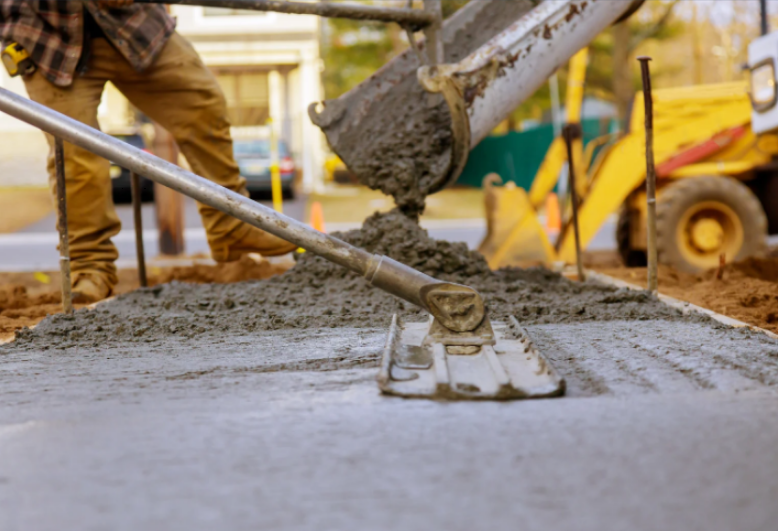
Why the Right Concrete Tools Matter

Concrete finishing is more than just smoothing a slab,it’s about ensuring strength, durability, and precision that will last for decades. Contractors in South Africa’s construction industry need tools that balance speed with accuracy, especially on demanding industrial projects.

From small residential pours to expansive warehouse floors, using the right finishing equipment ensures efficiency, reduces rework, and guarantees professional outcomes.

What Are the Core Tools for Concrete Finishing

Concrete finishing equipment falls into several key categories, each serving a unique role in the process:

  • Hand Tools: Trowels, floats, bull floats, groovers, and edgers for detail and precision work.
  • Screeds: Manual or laser-guided options to achieve flatness and levelness.
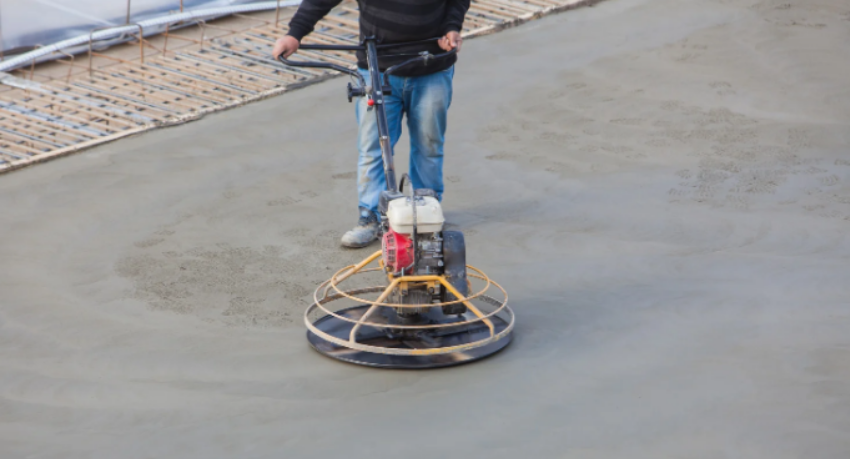
  • Power Trowels: Walk-behind or ride-on machines for smoothing large slab areas.
  • Mixers: Ensuring consistent concrete blends for long-lasting performance.
  • Vibrators: Removing trapped air for stronger, denser concrete.
  • Cutting & Jointing Tools: Controlling cracks through precise saw cutting.

Commonly Used Equipment and Their Benefits

Betonelli Hand Tools

  • Precision for edges, joints, and small spaces
  • Lightweight and ergonomic for contractor comfort
  • Essential for touch-ups and finishing details

Ligchine Laser-Guided Screeds

  • Delivers high flatness and levelness (FF/FL compliance)
  • Speeds up large-scale pours
  • Ideal for industrial flooring and warehouses

Betonelli Power Trowels

  • Walk-behind models for smaller areas
  • Ride-on trowels for large commercial projects
  • Adjustable blade angles for dense, polished finishes

Masterpac & Betonelli Vibrators

  • High-frequency vibration for compacting slow-slump mixes
  • Eliminates air pockets, increasing concrete strength
  • Reduces cracking and surface defects

Curing & Hardening Tools

  • Application machines for curing compounds and hardeners
  • Prevent shrinkage cracks and extend surface durability

Benefits of Investing in Professional Concrete Tools

  1. Precision & Flatness
    Advanced tools ensure floors meet strict FF/FL specifications.
  2. Efficiency
    Faster completion with reduced manpower requirements.
  3. Durability
    Proper finishing extends the lifespan of concrete surfaces.
  4. Professional Results
    Achieve smooth, polished finishes that meet client expectations.

Best Practices for Successful Concrete Finishing

  • Match tools to project size: Hand tools for detail, power equipment for large slabs.
  • Start with a reliable screed: A level base is the foundation for success.
  • Use vibrators consistently: Avoid weak spots caused by trapped air.
  • Cure properly: Apply hardeners and curing agents to lock in strength.
  • Cut joints on time: Prevent random cracking with precise saw cuts.

Why Choose All States Africa for Concrete Finishing Tools

At All States Africa, we supply world-class concrete equipment from trusted brands like Betonelli, Ligchine, and Masterpac. Each product is selected for its durability, ease of use, and suitability for South African job sites.

Our range includes:

  • Hand tools for precision detailing
  • Laser-guided screeds for industrial flooring
  • Ride-on and walk-behind power trowels
  • Vibrators, mixers, and curing equipment

“Build with precision. Finish with confidence.”