Warehouse Safety Compliance: Why It Matters and How All States Africa Can Help

Warehouse Safety Compliance

Why Warehouse Safety Should Be a Priority

Warehouses are high-traffic, high-risk environments where a single oversight can lead to injury, downtime, or even legal trouble. From forklift collisions and fire hazards to faulty racking systems and poor signage, the risks are real and potentially costly.

In Africa’s expanding industrial and logistics sectors, keeping warehouses compliant with safety standards isn’t just about avoiding fines. It’s about protecting staff, preserving goods, and building a culture of operational excellence. That’s where All States Africa steps in.

Our Role in Warehouse Safety Compliance Across Africa

At All States Africa, we understand the complexities of warehouse operations and the diverse safety challenges faced by facilities across the continent. That’s why we offer tailored safety audits, risk assessments, and turnkey compliance services to help warehouses meet regulatory requirements and improve day-to-day safety.

Services That Support Compliance

  • Facility Safety Audits: Our detailed site inspections identify critical hazards and provide action plans for immediate and long-term correction.
  • Racking Inspections: We evaluate the structural integrity of racking systems and identify unsafe loading practices or damage.
  • Fire Safety Assessments: From extinguisher placement to emergency exits, we ensure your facility is prepared for fire-related emergencies.
  • Safety Signage and Markings: We supply and install compliant safety signs, floor markings, and visual cues to reduce confusion and improve workflow safety.
  • PPE and Staff Training Support: We help ensure your team is properly equipped and trained to uphold daily safety standards.

Key Areas of Warehouse Safety Focus

1. Fire Risk Management

Warehouses typically store flammable materials. Without adequate fire safety measures, a small spark can lead to disaster. All States Africa assists facilities with:

  • Fire extinguisher and hydrant placement
  • Fire exits and evacuation route planning
  • Fire-proofing and material storage reviews

2. Structural Safety

Many warehouses operate for years without assessing the integrity of shelving and structural systems. We ensure compliance with load ratings, anchoring standards, and spacing regulations.

3. Traffic and Equipment Flow

Poorly defined pathways and unregulated forklift zones lead to accidents. We implement floor markings and signage that clearly direct traffic and separate pedestrian and vehicle routes.

4. Regulatory Compliance

South African warehouses must adhere to OHS Act regulations and SANS safety codes. We align our audits and recommendations with these standards to keep you inspection-ready.

Why Partner with All States Africa

We’re not just checking boxes. We’re here to make safety practical, sustainable, and scalable for your business. Our expert team has worked across warehouses of all sizes and industries, delivering:

  • Customised compliance strategies
  • Ongoing site support
  • Documentation for audit readiness
  • Multi-site consistency for regional or national operators

Take Control of Your Warehouse Safety Today

Compliance isn’t optional. It’s a non-negotiable part of running a responsible and efficient operation. Whether you’re preparing for an audit or just want to raise your safety game, All States Africa offers the tools, knowledge, and hands-on support to help you get there.

“Safety starts with awareness, grows with action, and succeeds with consistency. Let’s make your warehouse safer, together.”

Choosing the Right Compaction Equipment for Your Project

Right Compaction Equipment for Your Project

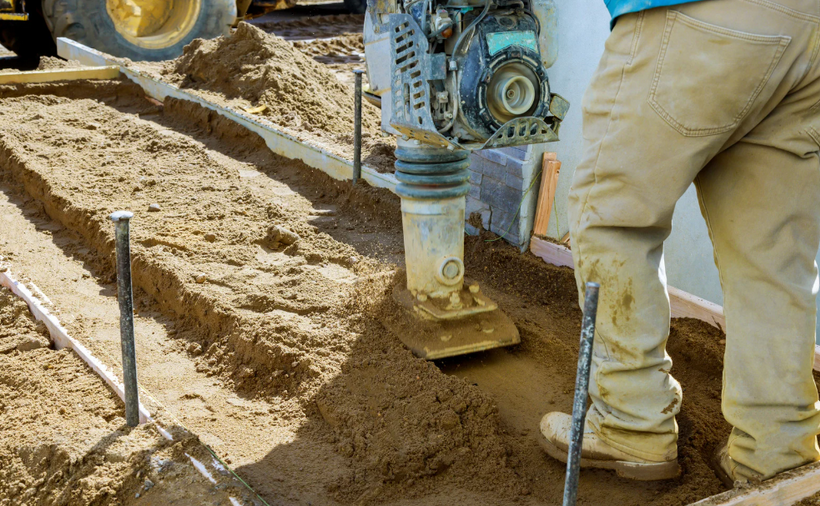
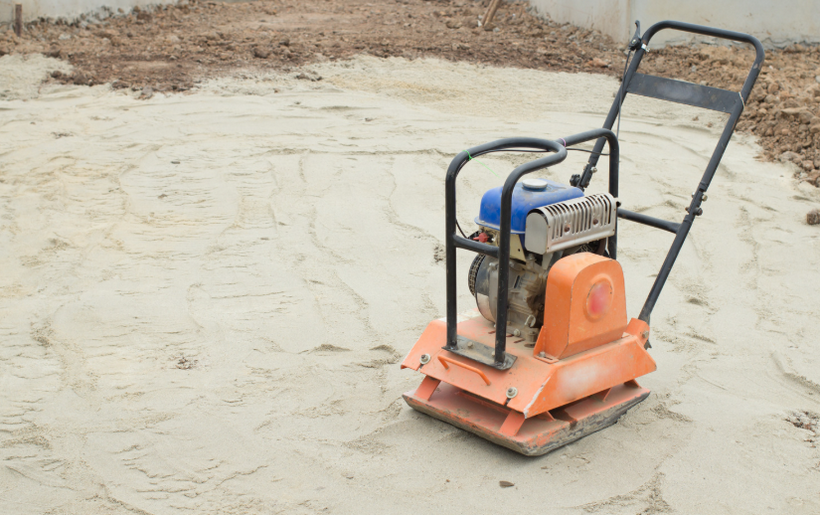
When it comes to construction, one of the most important, but often overlooked, steps is proper soil compaction. Whether you’re laying a foundation for a new building, preparing a roadbed, or working on landscaping, getting the ground ready with the right compaction equipment is absolutely essential. Without solid ground preparation, even the most carefully planned project can run into problems later on.So how do you know which compaction equipment is right for your job? Let’s break it down in a way that’s easy to understand, and introduce you to All States Africa, a trusted supplier of high-quality equipment like Masterpac compactors, designed to help you get the job done right.Why Soil Compaction MattersThink of soil compaction as creating a strong base. When soil is properly compacted, it becomes more stable, less prone to shifting, and better able to support the weight of whatever you’re building, whether it’s a house, a road, or a retaining wall. Compacted soil also reduces the risk of water infiltration and erosion, which can damage your structure over time.Skipping or rushing this step is a bit like building a house on a pile of pillows, things might seem fine at first, but over time, things will start to shift, crack, and sink.Types of Compaction EquipmentThere are different types of construction machinery made specifically for different soil types, project sizes, and jobsite conditions. Here’s a quick look at the most common ones:1. Plate CompactorsThese are ideal for smaller jobs like sidewalks, driveways, and trenches. They work best on granular soils like sand and gravel and are great when working in tight spaces.2. Rammer Compactors (or Jumping Jacks)Perfect for compacting cohesive soils like clay, rammers deliver a high impact force to a small area. They’re commonly used for backfilling trenches and working in narrow spaces.3. RollersFor larger areas like roads or big commercial sites, rollers are the go-to. You’ll find different types here too, smooth drum rollers for granular soil and padfoot rollers for clay-rich, cohesive soil.4. Vibratory CompactorsThese are powerful machines that use vibration to settle particles into a dense configuration. They’re ideal when you need deep, uniform compaction, especially for foundations and road construction.Choosing the Right Equipment for Your ProjectWhen planning your project, consider the following:

  • Soil Type: Different machines work better on different soils. Sandy or gravelly soil? Go with a plate compactor or smooth drum roller. Clay-rich soil? You’ll need a rammer or padfoot roller.Project Size: Bigger areas call for bigger equipment. It’s not just about efficiency—it’s also about achieving consistent compaction throughout the site.Access and Maneuverability: Is your worksite tight or wide open? Smaller equipment is easier to maneuver in tight corners, while large rollers are better suited for open fields and long stretches.Depth of Compaction Required: Some projects need surface-level compaction; others require deeper groundwork. Be sure to choose equipment that can reach the needed compaction depth.

  • Why Choose All States Africa?If you’re feeling overwhelmed by the options, don’t worry, you don’t have to figure it all out on your own. All States Africa is here to help. With years of experience in supplying reliable construction machinery, they offer top-tier Masterpac compactors known for their performance, durability, and ease of use.The team at All States Africa can walk you through your project requirements, recommend the right type of equipment, and even offer advice on maintenance and operation. Whether you’re a contractor, a project manager, or just tackling a DIY project with serious ambitions, they’ve got the tools and the know-how you need.Choosing the right compaction equipment isn’t just about having the latest model, it’s about matching the right tool to the right task. With solid project planning and expert support from All States Africa, your site will be prepped, compacted, and ready for success.

    The Role of Concrete Vibrators in Strengthening Structures

    Concrete Vibrators
    Concrete Vibrators

    When it comes to strong and long-lasting concrete structures, it’s not just about mixing the right ratio of cement, water, and aggregates. It’s also about what happens after the concrete is poured. One essential yet often overlooked step is vibration—and that’s where concrete vibrators come in.

    Whether you’re building a driveway, a bridge, or a high-rise foundation, concrete vibrators play a key role in ensuring structural integrity and durability. 

    In this article, we will explore why these handy tools are so important on every construction site.

    What Exactly Is a Concrete Vibrator?

    A concrete vibrator is a type of construction equipment used to consolidate freshly poured concrete. In simple terms, it shakes or vibrates the concrete while it’s still wet to help it settle properly. But why shake it at all?

    When concrete is poured, it often traps tiny air bubbles and pockets between the aggregate and the reinforcement. If left untouched, these air pockets can weaken the structure, reduce its lifespan, and lead to cracks, honeycombing, or even failure under pressure.

    Concrete vibrators use vibration technology to remove these trapped air pockets and ensure the mix is tightly packed and well bonded. The result? Durable concrete that stands the test of time.

    Why Vibrating Concrete Matters

    Let’s talk benefits. Proper vibration isn’t just a “nice-to-have” step—it’s essential for strong, reliable construction. Here’s why:

    • Improved Strength and Density: Removing air voids allows the concrete particles to pack more closely together, which increases the material’s overall strength.
    • Better Bond with Reinforcement: Vibration ensures the concrete fully envelops steel reinforcements, which boosts the structure’s load-bearing ability.
    • Long-Term Durability: Well-compacted concrete resists water penetration, reduces shrinkage cracking, and holds up better under wear and tear.
    • Smoother Finish: Vibrated concrete settles evenly and creates a cleaner, more attractive finish with fewer surface imperfections.

    In short, vibrating concrete doesn’t just help it look good—it helps it last.

    Types of Concrete Vibrators

    Different projects require different tools, and concrete vibrators come in various shapes and sizes to suit the job:

    • Internal Vibrators (Needle or Poker Vibrators): These are inserted directly into the concrete and are ideal for slabs, beams, and columns.
    • External Vibrators: These attach to the outside of formwork and are great for precast concrete and situations where internal access is limited.
    • Surface Vibrators: Used on flat surfaces like roadways or floors, these vibrators smooth the concrete from above.
    • Form Vibrators: Perfect for vertical structures or complex shapes, these help ensure even compaction throughout the form.

    Choosing the right type of vibrator depends on the job size, structure type, and the concrete’s consistency.

    Trust the Pros at All States Africa

    At All States Africa, we understand how crucial the right construction equipment is to every project’s success. That’s why we offer a wide range of high-quality concrete vibrators designed to meet your unique jobsite needs.

    Our expert team can help you choose the ideal vibration technology for your project, ensuring you achieve solid, durable concrete every time. We pride ourselves on delivering tools and solutions that make your job easier, your builds stronger, and your timelines shorter. Don’t cut corners when it comes to compaction. With the right equipment and a little vibration, your concrete can go from good to exceptional.

    Enhancing Efficiency with Concrete Screeding and Placing Equipment

    Concrete Screeding and Placing Equipment
    Concrete Screeding and Placing Equipment

    When it comes to concrete work, achieving a smooth, level surface isn’t just about looks—it’s about performance, durability, and long-term satisfaction. Whether you’re pouring a warehouse floor, a driveway, or a large industrial slab, the key to a great finish lies in how efficiently and accurately the concrete is placed and screeded.

    That’s where modern concrete screeding and concrete placing equipment come into play. Gone are the days of relying solely on manual labour with hand screeds and rakes. Today’s advanced tools and machines are designed to make the job faster, easier, and far more precise, boosting your construction efficiency on every pour.

    Why Screeding and Placing Matter

    Before we jump into the tools, let’s talk about why screeding and placing are so important in the first place.

    Concrete placing is the process of pouring and distributing the concrete into the forms or onto the subgrade. Concrete screeding, on the other hand, involves levelling the freshly poured concrete to the right height and smoothness.

    If either of these steps is done poorly, you’re likely to end up with an uneven surface, weak spots, or expensive rework. But when done right—especially with the help of the right equipment—you get beautiful, flat floors that are strong, durable, and up to spec.

    The Power of Screeding Tools

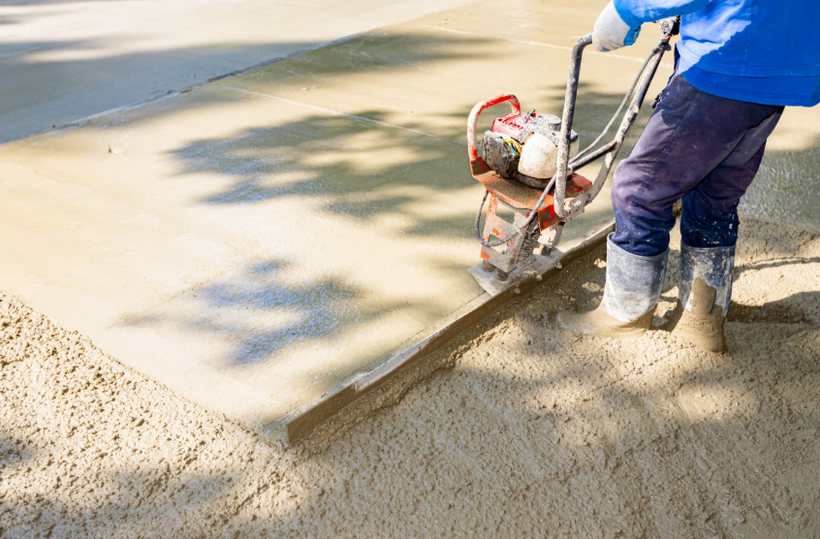
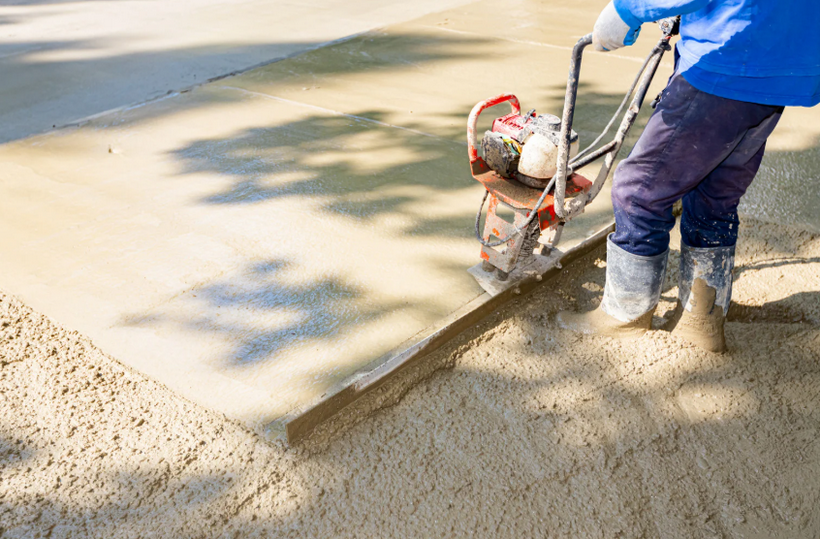
    Manual screeding can be time-consuming and labour-intensive. It requires multiple workers, and even then, getting the surface perfectly level is challenging. That’s why so many contractors are upgrading to mechanized screeding tools to increase speed and accuracy.

    One standout in this space is Ligchine screeds. These laser-guided screeding machines take precision to a whole new level. They automatically adjust to maintain the correct height as they move across the surface, ensuring each pass leaves a consistent, flat finish. No more eyeballing or guessing. Just smooth, level concrete, every time.

    Ligchine’s lineup includes various models tailored to different job sizes—from small commercial pours to massive industrial floors. By integrating laser guidance, these machines eliminate many of the common errors associated with manual screeding and help teams pour more concrete in less time.

    Boosting Construction Efficiency

    Investing in modern screeding and placing equipment isn’t just about the finish—it’s about construction efficiency. Here’s how the right tools can transform your workflow:

    • Faster Completion Times: With mechanized screeding, you can cover large areas in a fraction of the time it would take by hand.
    • Fewer Crew Members Needed: Automated systems reduce the number of people needed on-site, helping you manage labour more effectively.
    • Improved Accuracy: Laser-guided machines ensure consistent elevation and eliminate human error, reducing the need for costly touch-ups.
    • Higher Quality Floors: Better screeding means better flat floors, which translates to fewer callbacks and happier clients.

    And let’s not forget the safety factor. Less manual labour means reduced physical strain on your crew and a safer jobsite overall.

    Choosing the Right Equipment

    When selecting your concrete screeding and placing equipment, consider the size of your typical projects, the surface requirements, and your team’s level of experience. Whether you go for walk-behind machines, ride-on models, or cutting-edge laser screeds like Ligchine, the goal is the same: improve quality while saving time and labour.

    If you’re regularly working on large-scale pours or need to achieve high FF (floor flatness) numbers, a laser screed is likely the best investment you can make. The precision and speed of these machines make them indispensable in modern concrete work.

    At All States Concrete, we combine experience with cutting-edge equipment to deliver precision and efficiency on every job. Whether you need expert concrete screeding, placing, or flat floor solutions, our skilled team is here to help. With top-tier tools like Ligchine screeds and a commitment to quality, we’ll ensure your project runs smoothly from start to flawless finish.

    The Importance of Quality Concrete Mixers in Construction Projects

    Concrete Mixers in Construction Projects
    Concrete Mixers in Construction Projects

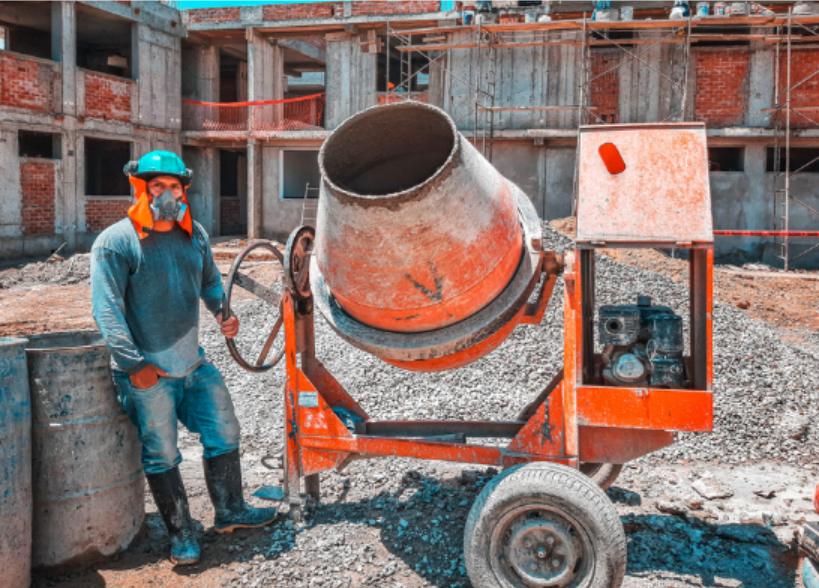
    When it comes to construction projects, one thing is certain: the quality of your equipment can make or break the job. Among the most essential pieces of construction equipment is the concrete mixer. Whether you’re working on a small home project or a massive commercial development, having a reliable and efficient concrete mixer is crucial.

    Why Concrete Mixers Matter

    Concrete mixing isn’t just about combining cement, sand, gravel, and water. It’s about achieving the perfect consistency and strength needed for a durable structure. The right concrete mixer ensures that materials are mixed uniformly, reducing the risk of weak spots in the final build. Poorly mixed concrete can lead to structural issues, costly repairs, and even safety hazards. That’s why investing in a high-quality concrete mixer from a trusted provider, such as All States Africa, is a smart move for any builder or contractor.

    Construction Efficiency and Quality

    Efficiency is a top priority on any construction site. Time is money, and the faster you can complete a project without compromising quality, the better. High-performance concrete mixers, are designed to streamline the mixing process, saving both time and labor. These mixers offer powerful motor performance, durability, and ease of use, allowing construction teams to focus on getting the job done efficiently.

    Using a top-tier concrete mixer can also reduce material waste. When concrete is mixed correctly the first time, you avoid unnecessary batches and costly do-overs. This efficiency not only benefits your bottom line but also helps keep projects on schedule—something every builder appreciates.

    Choosing the Right Concrete Mixer

    Not all concrete mixers are created equal, so it’s important to choose the right one for your specific needs. Here are a few key factors to consider:

    1. Capacity: Mixers come in various sizes, from small portable models for minor repairs to large industrial mixers for major building projects. Selecting the right capacity ensures you can mix the required amount without delays.
    2. Durability: A quality mixer should withstand tough job site conditions. And should be built with robust materials to handle heavy-duty construction work.
    3. Mixing Power: A powerful motor and efficient mixing mechanism ensure that the concrete is blended smoothly and consistently.
    4. Mobility: Depending on your project, you may need a stationary mixer or a mobile one that can be easily moved around the site.
    5. Ease of Maintenance: Regular maintenance is key to long-term performance. Choosing a mixer that is easy to clean and service will save you time and money in the long run.

    The Bottom Line

    In the world of construction, quality matters. Investing in a high-performance concrete mixer not only improves efficiency but also ensures that your building projects stand the test of time. Whether you’re constructing roads, homes, or commercial buildings, having the right construction equipment is non-negotiable.

    For contractors and builders in Africa looking for reliable concrete mixers, All States Africa provides premium concrete mixers designed to enhance construction efficiency. Don’t let poor-quality mixing compromise your project—choose a concrete mixer that gets the job done right every time.

    Achieving Perfect Concrete Finishes with Power Trowels

    Perfect Concrete Finishes
    Perfect Concrete Finishes

    When it comes to creating smooth, durable, and professional-looking concrete surfaces, power trowels are the go-to construction tools. Whether you’re working on a large commercial floor or a small residential project, using the right techniques and equipment can make all the difference in achieving a flawless finish. 

    In this article, we’ll explore how power trowels enhance concrete finishing, tips for optimal floor leveling, and how to get the best results every time.

    What is a Power Trowel?

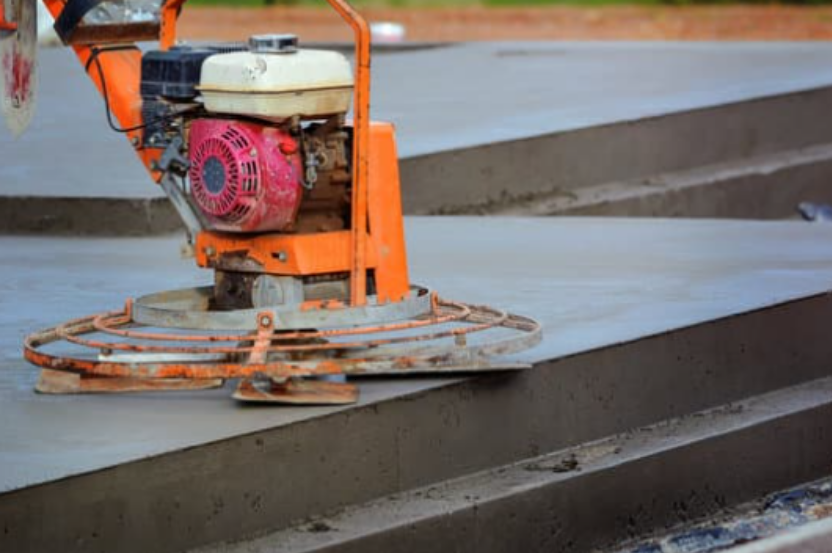
    A power trowel is a construction tool used to create smooth and polished concrete surfaces. It consists of rotating blades that glide over freshly poured concrete, refining and compacting it to produce a hard-wearing finish. Power trowels come in two main types:

    • Walk-behind power trowels – Ideal for small to medium-sized areas, these machines are manually guided by an operator.
    • Ride-on power trowels – Designed for large-scale projects, these allow operators to sit and steer, increasing efficiency and reducing labor fatigue.

    Why Use a Power Trowel for Concrete Finishing?

    Concrete finishing with a power trowel offers several benefits, including:

    • Smooth Surfaces: Power trowels eliminate rough patches, bumps, and imperfections, ensuring a uniform and visually appealing finish.
    • Increased Durability: By compacting the surface, power trowels enhance the concrete’s strength, making it more resistant to wear and tear.
    • Improved Floor Leveling: These tools help create a level surface, reducing potential trip hazards and ensuring proper drainage in outdoor applications.
    • Time Efficiency: Power trowels cover large areas quickly, significantly speeding up the finishing process compared to manual tools.

    How to Achieve a Perfect Concrete Finish with a Power Trowel

    To get the best results when using a power trowel, follow these key steps:

    1. Prepare the Concrete Surface

    Before using a power trowel, ensure that the concrete has set to the right consistency. The surface should be firm enough to support the machine’s weight without sinking but still soft enough to allow for proper finishing. A simple way to check is by pressing your finger lightly into the concrete—if it leaves a slight mark but doesn’t break through, it’s ready for troweling.

    2. Choose the Right Blades

    Power trowels use different types of blades depending on the finish you want to achieve:

    • Float blades: Used in the initial pass to level the surface and push down excess water.
    • Finishing blades: Used in later passes to create a smooth, polished appearance.
    • Combination blades: Versatile options that work for both floating and finishing.

    3. Start with a Floating Pass

    Begin by attaching float blades and running the power trowel at a slow speed. Keep the blades flat against the surface to help consolidate the concrete and eliminate imperfections. This initial pass is crucial for proper floor leveling and setting the stage for a polished finish.

    4. Transition to Finishing Blades

    Once the concrete has firmed up further, switch to finishing blades. Gradually increase the trowel speed and adjust the blade angle slightly to refine the surface. Make multiple passes in different directions to achieve an even, polished look.

    5. Monitor Weather Conditions

    Temperature and humidity affect how quickly concrete sets. On hot days, the concrete may dry too fast, requiring you to start troweling sooner. On cooler or humid days, you may need to wait longer. Adjust your timing accordingly to prevent overworking or under-finishing the surface.

    6. Maintain Your Power Trowel

    Proper maintenance ensures consistent performance and longevity of your power trowel. Regularly check for worn-out blades, clean the machine after each use, and inspect the engine to avoid breakdowns during a project.

    At All States Africa, we not only supply high-quality power trowels but also provide expert guidance to ensure you get the most out of your equipment. Whether you’re a contractor, builder, or DIY enthusiast, our knowledgeable team is here to help you choose the right machine, offer maintenance support, and share industry best practices. With All States Africa by your side, achieving perfect concrete finishes has never been easier.

    Rammers, Rollers, and Plate Compactors: The Heroes of Surface Preparation

    Rammers, Rollers, and Plate Compactors
    Rammers, Rollers, and Plate Compactors

    When it comes to building strong, long-lasting concrete floors, surface preparation is everything. If you don’t start with a properly compacted base, you’re just asking for trouble—think cracks, uneven surfaces, and costly repairs down the line. That’s where rammers, plate compactors, and rollers come into play. These hardworking machines are the backbone of compaction, ensuring a stable foundation for concrete work, road construction, and more.

    So, which one should you use? Let’s break it down and explore the specific roles of each type of compaction equipment.

    Rammers: The Tight-Space Specialist

    Ever tried compacting soil in a narrow trench with a massive machine? It’s not happening! That’s why we have rammers—powerful, upright machines designed for compacting cohesive soils like clay in tight spaces.

    When to Use a Rammer

    • Trenches and small areas – Perfect for prepping the ground before laying foundations, pipes, or retaining walls.
    • Cohesive soils – If your job site has high-clay content, a rammer’s high-impact force will get the job done.
    • Repair work – Great for fixing patches of soil or asphalt without needing large equipment.

    Rammers work by delivering a pounding action, driving out air pockets and ensuring a solid, stable base. Think of them as the jackhammers of compaction, giving you deep and focused power where you need it most.

    Plate Compactors: The Versatile Workhorse

    If rammers are great for small areas, plate compactors are the perfect middle ground, and are versatile and easy to maneuver for a range of surface prep jobs. These machines feature a heavy steel plate that vibrates rapidly, helping compact soil, sand, or gravel quickly and evenly.

    When to Use a Plate Compactor

    • Driveways, patios, and sidewalks – Ideal for prepping the ground before laying concrete or pavers.
    • Granular soils – Works best on materials like sand, gravel, and crushed stone.
    • Tight to medium-sized spaces – Not as bulky as rollers but more efficient than rammers for open areas.

    A forward plate compactor is great for standard jobs, but if you need extra power and efficiency, consider a reversible plate compactor—which moves in both directions for deeper compaction.

    Walk-Behind Rollers: The Step Up in Compaction

    Need something bigger than a plate compactor but not quite as massive as a ride-on roller? Walk-behind rollers are your answer. These compact, easy-to-control machines deliver more force than a plate compactor while still being maneuverable enough for smaller spaces.

    When to Use a Walk-Behind Roller

    • Small to medium-sized jobs – Parking lots, bike paths, and small roadways benefit from their efficient compaction.
    • Compacting asphalt – Perfect for smoothing out freshly laid asphalt or patchwork.
    • Soil and gravel prep – Great for compacting bases before pouring concrete.

    Ride-On Rollers: The Big Job Beast

    For large-scale compaction, nothing beats a ride-on roller. These heavy-duty machines use weight and vibration to compact huge areas quickly and efficiently. Whether you’re working on roads, highways, or industrial floors, a ride-on roller is the ultimate tool for maximum stability.

    When to Use a Ride-On Roller

    • Major roadwork and highways – These machines ensure smooth, even surfaces across large areas.
    • Large concrete slabs – Need a strong base for a warehouse floor? A ride-on roller gets it done.
    • Massive compaction jobs – When speed and deep compaction matter, this is the machine for the job.

    Why Proper Compaction is Non-Negotiable

    Skipping proper compaction might save a little time upfront, but it’s a recipe for disaster. Poorly compacted soil leads to:

    Cracking concrete – If the base shifts over time, your concrete will too.
    Uneven floors – A weak foundation can result in sinking or bumpy surfaces.
    Water drainage problems – Loose soil allows water to collect, causing erosion and instability.

    Using the right equipment ensures your concrete foundation stays strong and durable, avoiding costly repairs later on.

    Choosing the Right Equipment for Your Project

    So, which one do you need? It all depends on your project size and soil type:

    Use a rammer for small, tight spaces and compacting cohesive soils.
    Use a plate compactor for driveways, patios, and granular soil.
    Use a walk-behind roller for small to medium-sized areas needing extra compaction.
    Use a ride-on roller for large-scale projects requiring deep, even compaction.

    With the right concrete finishing tools from All States Africa, you can save time, and energy, and avoid unnecessary frustration. Whether you’re a contractor or tackling a DIY project, we’ve got the equipment and expertise to help you achieve professional results. Let us supply the tools you need to turn your vision into reality—smoothly and efficiently. Contact us today!

    Muddy Miracle Pump: The Must-Have Submersible Pump for Every Construction Stage

    Muddy Miracle Pump
    Muddy Miracle Pump

    When it comes to keeping a construction site safe, dry, and efficient, the right equipment makes all the difference. One essential tool that no site should be without is the Muddy Miracle Pump, which is a powerful and reliable submersible pump designed to handle the toughest water and mud removal challenges. 

    Whether you’re dealing with flooded trenches, excess groundwater, or muddy conditions after heavy rainfall, this pump is built to keep your project moving forward.

    Why Water Removal Matters on a Construction Site

    Water accumulation on a construction site isn’t just an inconvenience, it’s a major hazard. Standing water can weaken soil, slow down operations, and create unsafe working conditions. That’s where the Muddy Miracle Pump comes in. Designed for efficient dewatering, it quickly removes unwanted water, keeping your site dry, stable, and ready for work.

    From laying foundations to excavation and final touches, construction projects go through multiple phases, each with unique water-related challenges. The Muddy Miracle Pump is versatile enough to handle them all.

    Built for Tough Conditions

    Not all submersible pumps are created equal. Some struggle with thick mud, debris-filled water, or extended use—but not the Muddy Miracle. Here’s why it stands out:

    • Heavy-Duty Durability – Built with high-quality materials, this pump can withstand harsh environments and continuous operation without breaking down.
    • Handles Mud and Debris – Unlike standard pumps that clog easily, the Muddy Miracle is designed to process muddy water, sand, and small debris without losing efficiency.
    • Corrosion-Resistant Construction – Wet environments can lead to rust and damage, but this pump is made to last, even in the harshest conditions.

    Versatility for Every Construction Stage

    The Muddy Miracle Pump is useful in every phase of construction:

    1. Excavation & Foundation Work

    Before laying the groundwork, it’s crucial to keep excavation sites dry and stable. Excess groundwater can cause soil instability, making it difficult to build a solid foundation. This pump quickly removes unwanted water, ensuring a firm, dry surface for construction.

    2. Concrete Pouring & Curing

    A wet site can delay concrete work, affecting strength and stability. With the Muddy Miracle, you can dewater the area efficiently, helping maintain optimal conditions for proper curing.

    3. Storm & Rainwater Management

    Sudden downpours can flood trenches and work areas, causing delays. Instead of waiting for the sun to dry things out, use this submersible pump to remove water fast, keeping your project on schedule.

    4. Post-Construction Cleanup

    After the main construction work is done, standing water and mud can make finishing touches difficult. The Muddy Miracle ensures that the area is clean and dry for landscaping, paving, and final inspections.

    A Smart Investment for Any Construction Project

    Choosing the right equipment is essential for keeping projects running smoothly. The Muddy Miracle Pump is more than just a submersible pump—it’s a long-term investment in efficiency, safety, and durability.

    • Minimise Downtime – Quickly removes excess water, preventing costly delays.
    • Enhance Safety – Reduces slip hazards and prevents equipment damage from water exposure.
    • Save Money – Avoid costly repairs and rework by maintaining optimal site conditions.

    Water shouldn’t put your project on hold, and with the Muddy Miracle Pump, it won’t have to! At All States Concrete, we provide top-quality solutions to keep your site safe, dry, and productive. Whether you’re tackling foundations, drainage, or post-construction cleanup, this powerful submersible pump ensures efficient water removal—rain or shine. Don’t let standing water cause delays or safety hazards. Trust All States Concrete to equip you with the Muddy Miracle Pump and keep your construction moving forward!

    Essential Hand Tools for Concrete Finishing Professionals

    Essential Hand Tools for Concrete Finishing
    Essential Hand Tools for Concrete Finishing

    The Ultimate Guide to Essential Hand Tools for Concrete Finishing Professionals

    Introduction

    When it comes to concrete finishing, the tools you choose are just as important as the skill you bring to the job. Whether you’re working on a residential driveway or an industrial warehouse floor, having the right-hand tools is the key to achieving a smooth, level, and durable finish. Investing in top-quality tools doesn’t just improve your efficiency—it enhances your craftsmanship, reduces errors, and extends the lifespan of your work.

    1. Trowels: The Backbone of Concrete Finishing

    BETONELLI hand tools are excellent for concrete surface preparation, cutting, and shaping.

    A concrete finisher’s job is incomplete without a reliable trowel. It’s the primary tool for smoothing and shaping wet concrete, and using the right one ensures durability and precision.

    – Betonelli Steel Finishing Trowels. Ideal for polished, even finishes. High-quality stainless-steel trowels resist rust and last longer.
    – Betonelli Magnesium Floats: Lightweight tools essential for opening the surface, pushing down aggregate, and minimizing user fatigue.

    2. Screeds: Achieving a Perfectly Level Surface

    – LIGCHINE Laser Screeds: LIGCHINE laser-guided screeds from All States Africa Concrete Equipment deliver outstanding level accuracy on large slabs.

    – GEO-FENNEL laser levels are ideal for screed alignment and accurate slab grading.

    Screeding is the foundation of a flawless finish. Without a proper screed, achieving a level surface is nearly impossible.

    – Betonelli Aluminum Screeds: Lightweight yet sturdy for removing excess concrete.
    – Betonelli Vibrating Screeds: Perfect for larger jobs, these tools both level and compact concrete.

    3. Betonelli Edgers & Groovers: The Finishing Touches

    Sharp edges and clean lines separate amateur work from professional craftsmanship.

    – Betonelli Concrete Edgers: Create smooth, rounded edges that resist chipping.
    – Betonelli Groovers: Produce control joints to prevent cracks during curing.

    4. Betonelli Bull Floats: Smoothing Large Surfaces

    – Betonelli provide robust, high-performance bull floats for professional finishing results.

    Bull floats are essential for large-scale projects, helping smooth and level surfaces before the concrete sets.

    – Betonelli Magnesium Bull Floats Lightweight, rust-resistant, and easy to handle.
    – Betonelli Adjustable Handles: Increase reach without sacrificing control.

    5. Betonelli Concrete Brushes: Enhancing Traction & Aesthetics

    Betonelli Float Broom and Flat Wire Broom, adding texture is crucial for both functionality and aesthetics.

    – Betonelli Soft-Bristle Brushes: Best for decorative finishes.
    – Betonelli Flat Wire Broom: Used for slip-resistant finishes on driveways and sidewalks.

    6. Chisels & Hammers: Precision Adjustments

    – BOSCH and EJOT power tools offer unmatched efficiency for breaking, chipping, and refining concrete sections.

    Corrections are a part of every concrete job.

    – Bricklayer’s Hammer: Useful for minor corrections and breaking small sections.
    – Cold Chisels: Provide accurate detailing and removal of hardened material.

    7. Betonelli Knee Boards: Comfort & Control

    Knee boards are necessary for up-close work on fresh concrete.

    – Betonelli Lightweight Knee Boards: Made to prevent marks and ensure user comfort.

    8. Measuring & Marking Tools: Precision Matters

    – GEO-FENNEL digital levels, laser distance meters, and line lasers elevate layout precision and workflow accuracy.

    Accuracy before the pour prevents costly mistakes.

    – Heavy-Duty Tape Measures: For accurate project dimensions.
    – Chalk Lines: Ideal for marking layout lines and joints.

    Why Quality Tools MatterAt All States Africa Concrete Equipment, choosing the right tools isn’t just about ease, it’s about performance, durability, and savings.

    • Durability: Tools that last through demanding conditions.
    • Efficiency: Complete tasks faster and more accurately.
    • Precision: Achieve flawless professional results.
    • Cost Savings: Minimize rework, labor, and material waste.

    Understanding Concrete Screeding and Placing Techniques

    Concrete Screeding and Placing Techniques
    Concrete Screeding and Placing Techniques

    Understanding Concrete Screeding and Placing Techniques

    Concrete flooring is a fundamental aspect of construction, ensuring durability, functionality, and aesthetics. Proper screeding and placing techniques are critical in achieving smooth, level, and long-lasting concrete surfaces. Whether working on residential patios, commercial floors, or industrial-grade slabs, mastering these techniques is key to a successful project.

    What is Concrete Placing?

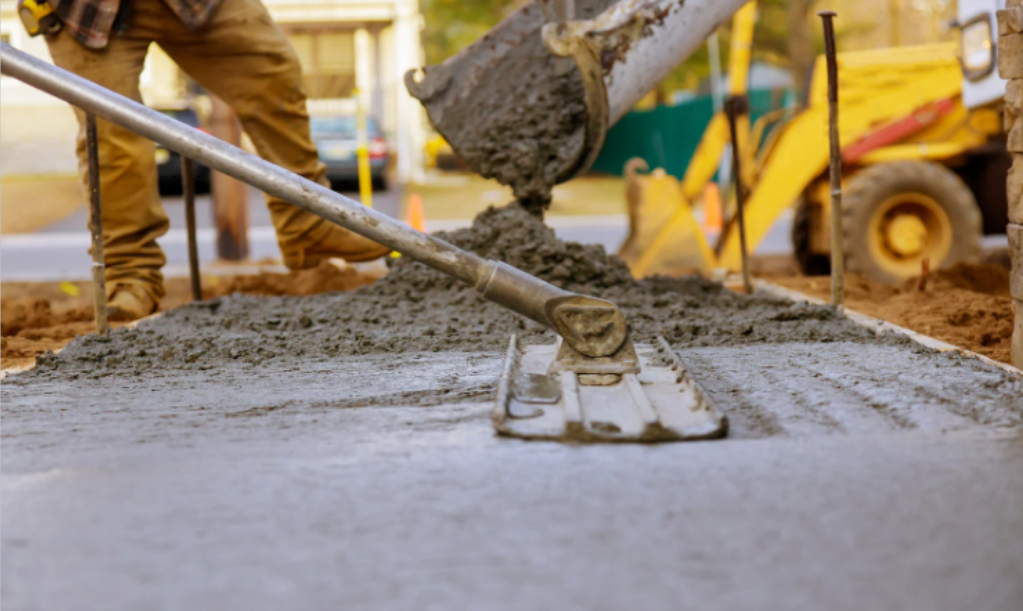
    Concrete placing refers to the process of delivering freshly mixed concrete into its designated formwork or slab area. Proper placing techniques ensure even distribution, reduce segregation, and maintain consistent thickness throughout the structure.

    Best Practices for Placing Concrete

    1. Surface Preparation: Ensure the subgrade is well-compacted, levelled, and free of debris. This prevents uneven settling and cracks.
      • Recommended Product: Our range of Masterpac Plate Compactors, Rammers and Rollers ensures optimal soil compaction for a stable foundation.
    2. Steady Pouring: Consistent, controlled pouring prevents cold joints and weak spots.
      • Recommended Product: Our Concrete Vibrator Pokers help manage steady concrete placement and compaction.
    3. Uniform Distribution: Use a Texas placer rakes to spread concrete evenly, ensuring it fills corners and edges without trapping air pockets.
      • Recommended Product: Betonelli Bull Floats and Betonelli Hand Tools ensure even distribution and smooth transitions.
    4. Avoid Overworking: Excessive trowelling or reworking can cause water to rise to the surface, weakening the slab.
      • Recommended Product: Our Betonelli Power Trowels provide precision finishing without overworking the surface. – We also do training on power trowelling.
    5. Compaction: Utilize vibrating tools to remove trapped air and ensure a dense, strong concrete structure.
      • Recommended Product: Betonelli or Masterpac vibration Pokers

    What is Concrete Screeding?

    Screeding is the process of levelling freshly placed concrete to achieve a smooth, even surface. This step is essential to maintaining consistent thickness and preparing the surface for finishing operations.

    Essential Tools for Screeding

    1. Straightedge Screeds: Wooden or aluminium screeds used manually for smaller areas.
    • Recommended Product: Our Betonelli Screed Clamed Handle (Comes in various sizes) offer durability and precision for small projects.
    1. Bull Floats: Used to smooth the surface and push larger aggregates below, improving finish ability.
    • Recommended Product: Betonelli Bull Floats designed for superior finishing control.
    1. Laser Screeds: Advanced technology for high-precision, efficient levelling in large-scale projects.
    • Recommended Product: Ligchine Laser Screeds for high-tolerance industrial flooring applications.

    Step-by-Step Screeding and Placing Process

    Step 1: Site Preparation

    • Ensure formwork is correctly installed and secured.
    • Compact the base layer and set screed rails for level guidance.
    • If necessary, apply bonding agents or moisture barriers for enhanced adhesion.

    Step 2: Placing the Concrete

    • Begin pouring at one end and work systematically.
    • Spread the concrete evenly, avoiding excessive accumulation in one spot.
    • Use Betonelli placer rakes, or a laser screed to distribute the mix uniformly.

    Step 3: Screeding the Concrete

    • Place the screed tool across the formwork or guides.
    • Use a sawing or pulling motion to level the concrete evenly.
    • Work in small sections to maintain consistency and accuracy.

    Step 4: Addressing Low Spots

    • Identify dips or uneven areas and add fresh concrete as needed.
    • Re-screed to ensure a level finish.

    Step 5: Finishing with a Bull Float

    • Immediately after screeding, use a bull float to refine the surface.
    • Push larger aggregates below and close gaps left by the screed.
    • Allow the slab to set before additional finishing operations.

    Tips for Achieving a Perfect Concrete Surface

    • Work Efficiently: Concrete sets quickly, so screeding should commence immediately after placing.
    • Monitor Surface Moisture: Overwatering or rapid drying can cause defects.
    • Use Proper Lighting: Good visibility helps spot inconsistencies in surface levelling.
    • Maintain Your Tools: Clean, well-maintained equipment ensures precision and efficiency.

    Advanced Screeding Techniques

    Vibrating Screeds for Improved Compaction

    For large-scale projects, vibrating screeds provide multiple benefits:

    • Enhances compaction, reducing voids and weak points.
    • Speeds up the process while ensuring uniform consistency.
    • Minimizes manual effort, improving efficiency and accuracy.

    Laser Screeding for Precision Floors

    Laser screeds offer state-of-the-art levelling:

    • Ensures high accuracy for industrial and commercial floors.
    • Reduces labour and enhances productivity.
    • Ideal for high-tolerance flooring in warehouses, factories, and large facilities.

    Why Proper Techniques Matter

    Inadequate screeding and placing methods can lead to structural weaknesses, surface defects, and costly repairs. Using the right techniques guarantees:

    • A stronger, more durable slab with fewer cracks.
    • A smoother, more aesthetic finish.
    • Reduced material waste and increased efficiency.